

[p]The sport this season started a new era, with the hybrid power units now split roughly 50-50 between electric and combustion power.[/p][p]Some drivers have complained over the first three races about having to 'lift and coast' into high-speed corners so the combustion engine can recharge the battery, and have aired safety concerns regarding the start and speed differentials during the race.[/p][p]They have also had to contend with 'super-clipping', where the power unit automatically diverts energy from the engine to the battery, slowing down the car even if the driver is flat on the throttle. Red Bull's four-time world champion [a href="https://www.flashscore.ca/player/verstappen-max/UV3mgeXB/"]Max Verstappen[/a] has questioned his future in the sport.[/p][p]The governing International Automobile Federation (FIA) said in a statement that an online meeting with the 11 team bosses, power unit CEOs and Formula 1 had agreed a number of in-season "refinements" that would now be put to a virtual vote.[/p][p][b]"The proposals agreed today... will be implemented from Miami apart from the race start changes that will be tested in Miami and adopted following feedback and analysis,"[/b] it said.[/p][embed guid="b5fbf79f-fe7f-486a-9309-615840517cbc" url="https://x.com/F1/status/2046264672874099044" social-type="twitter" /][h2]More consistent flat-out driving[/h2][p]The FIA said energy management parameters would be adjusted for qualifying, a key area of concern, with a reduction in maximum permitted recharge from eight megajoules to seven to encourage more consistent flat-out driving and peak 'superclip' power increased from 250kW to 350kW to reduce the time spent recharging.[/p][p]In the race, measures were introduced to reduce excessive closing speeds and limit sudden performance differentials, with the maximum power available through boost capped at an additional 150kW.[/p][p]A new system has been developed and will be trialled to mitigate the risks of a slow-starting car being struck by a faster one close behind, as well as measures to improve safety and visibility in the wet.[/p][p][b]"These are sensible changes, and the teams, FIA and Formula 1 have done good work over the past few weeks to agree them,"[/b] said Williams boss James Vowles on social media.[/p][p][b]"F1 has seen some great racing so far this year, but it is right that we always look at ways to keep improving."[/b][/p][p]Mercedes boss Toto Wolff had earlier told reporters changes needed to be made [b]"with a scalpel and not with a baseball bat"[/b] and cautioned against bad-mouthing the sport in public.[/p]
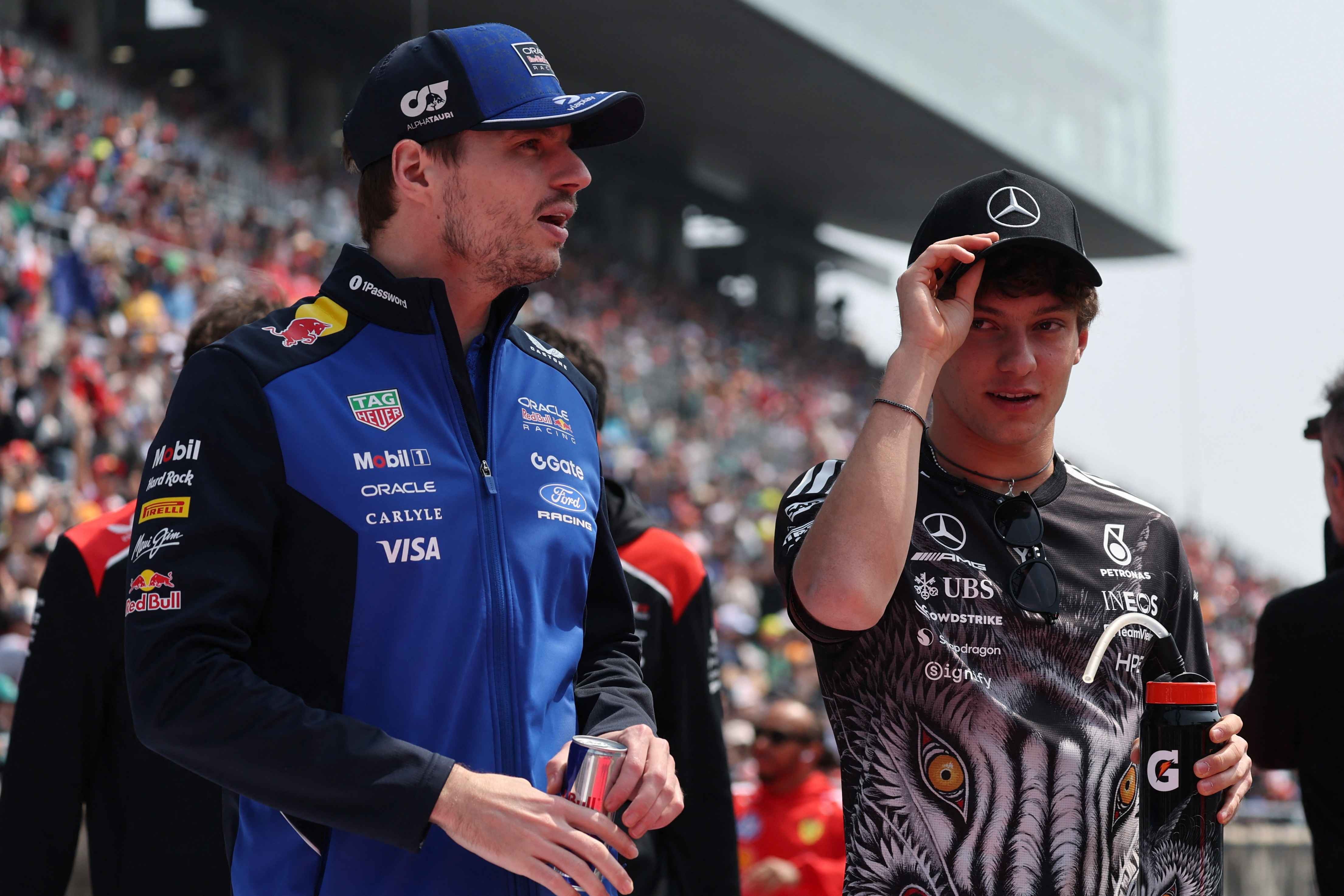
F1 teams and stakeholders vote for rule tweaks from Miami after engine concerns
Formula 1 teams and stakeholders agreed unanimously on Monday to engine rule tweaks aimed at improving the racing and driver safety from the next race in Miami on May 3rd.
Related stories

⚽ Football
New
Five things Carrick must change to ease the pressure and get Man Utd winning again
Harry Dunnett

⚽ Football
New
Former Real Madrid striker Joselu joins second Qatar Stars League club
Flashscore

⚽ Football
New
Real Madrid's Schroder 'striving' for first Sweden goal in World Cup play-off
Anthony Tomas

⚽ Football
New
Mourinho labels criticism of Mbappe as 'ridiculous' ahead of Villarreal clash
AFP

⚽ Football
New
'I completely trust the club': Man City boss Maresca reacts to guilty verdict
Zack Oaten / Tribal Football
📰 Racing
New
George Russell fastest in only practice session ahead of Singapore Grand Prix
Reuters